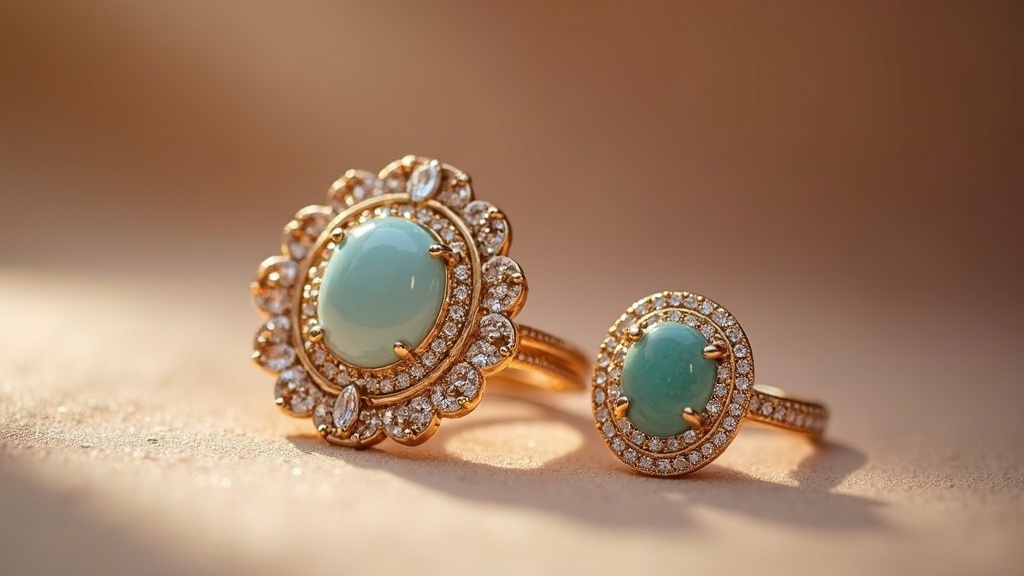
Ecommerce Jewelry: A Complete Guide to Selling Online
Learn how to succeed in ecommerce jewelry with strategies for product photography, mobile optimization, trust signals, and omnichannel selling. This guide covers everything from conversion rates to customer retention for online jewelry stores.
Table of Contents
- Quick Summary
- Ecommerce Jewelry in Context
- Introduction
- The Role of Visual Storytelling in Ecommerce Jewelry
- Building Trust Through Certifications and Policies
- Mobile Optimization for Higher Conversion Rates
- Omnichannel Strategies for Customer Retention
- Frequently Asked Questions
- Comparison of Ecommerce Jewelry Sales Channels
- Practical Tips for Ecommerce Jewelry Success
- Final Thoughts on Ecommerce Jewelry
- Useful Resources
Quick Summary: Ecommerce jewelry is the online sale of fine and fashion jewelry, requiring specialized strategies for product presentation, trust building, and mobile shopping. This guide covers key tactics for jewelry brands to succeed in the digital marketplace.
Ecommerce Jewelry in Context
- Global online jewelry sales are expected to reach approximately 40 billion dollars by 2025 as ecommerce penetration increases in the jewelry category.
- Mobile devices account for around 70 percent of traffic to ecommerce jewelry sites, underscoring the importance of mobile-optimized product pages and checkout.
- Average conversion rates for ecommerce jewelry stores tend to be around 1.5 percent, slightly below broader fashion ecommerce due to higher consideration cycles.
- Approximately 60 percent of online jewelry shoppers say that detailed product photography and video are the most important factors in their purchase decision.
Ecommerce jewelry has transformed how consumers discover, evaluate, and purchase rings, necklaces, earrings, and bracelets. Unlike many other retail categories, jewelry presents unique challenges online: customers cannot touch, weigh, or try on pieces before buying. Overcoming this barrier requires a deliberate approach to product presentation, customer trust, and platform optimization. This guide breaks down the essential components of a successful online jewelry business, from visual storytelling to omnichannel retail strategies.
The Role of Visual Storytelling in Ecommerce Jewelry
Product imagery is the single most influential factor in converting a browser into a buyer for ecommerce jewelry. Shivani Pandya, Head of Fashion & Lifestyle at Shopify India, notes that “successful online jewelry brands treat product photography like their primary salesperson; if the images don’t tell a story and show scale, customers simply won’t convert.” High-resolution photos from multiple angles, macro shots that reveal craftsmanship details, and lifestyle images showing the piece worn in context all help bridge the gap between screen and reality.
Video content amplifies this effect. David Yurman, co-founder of the luxury jewelry brand, emphasizes that “the digital experience has to convey the tactile qualities of jewelry – weight, finish, how it moves – or else the customer can’t build a connection with the piece.” Short clips showing a necklace draping or a ring catching light can dramatically improve purchase confidence. For ecommerce jewelry stores, investing in professional photography and video production is not optional; it is the foundation of online sales.
Beyond static images, augmented reality (AR) try-on tools are gaining traction, allowing shoppers to visualize earrings or rings on themselves via their smartphone camera. While AR adoption is still emerging, early data suggests it reduces return rates and increases average order value. Brands that prioritize visual storytelling across their product pages see measurable improvements in time on site and conversion rates.
Building Trust Through Certifications and Policies
Trust is the currency of ecommerce jewelry. Because purchases often involve significant financial investment and emotional weight, customers need reassurance about authenticity, quality, and after-sale support. Harsh Shah, Co-founder and CEO of Fynd, states that “for jewelry ecommerce, trust signals like certifications, transparent materials information, and clear return policies matter more than any discount you can offer.”
Around 45 percent of consumers report being more likely to buy jewelry online from brands that provide certifications or authenticity guarantees on product pages. Displaying hallmarks from organizations like the Gemological Institute of America (GIA) or the Responsible Jewellery Council (RJC) directly on product listings adds credibility. Similarly, detailed material descriptions – metal purity, gemstone origin, plating thickness – help customers make informed decisions.
Return policies are equally critical. The average order value for ecommerce fine jewelry purchases is roughly 200 dollars, significantly higher than most other fashion categories. A generous, clearly communicated return window reduces purchase anxiety. Offering free returns and pre-paid shipping labels signals confidence in product quality and encourages hesitant buyers to complete their purchase. Trust badges, customer reviews with photos, and secure payment icons further reinforce the brand’s reliability.
Mobile Optimization for Higher Conversion Rates
Mobile devices account for around 70 percent of traffic to ecommerce jewelry sites, underscoring the importance of mobile-optimized product pages and checkout. Despite this high traffic share, conversion rates on mobile often lag behind desktop due to friction points like slow load times, small text entry fields, and cumbersome navigation. Optimizing for mobile is not just about responsive design; it requires rethinking the entire shopping flow for thumb-friendly interaction.
Key mobile optimizations include compressing images without sacrificing quality, using large tap targets for buttons, enabling one-click checkout with saved payment methods, and minimizing form fields. Progressive web apps (PWAs) are becoming popular among ecommerce jewelry brands because they offer app-like speed and offline functionality without requiring a download. Brands that prioritize mobile performance see conversion rates climb closer to the desktop average.
Additionally, mobile-first content strategies matter. Social media platforms like Instagram and TikTok, where short-form video dominates, are primary discovery channels for jewelry shoppers. Approximately 30 percent of online jewelry sales are now influenced by social media discovery, especially on platforms emphasizing short-form video and visual content. Integrating shoppable posts and direct links from social profiles to mobile-optimized product pages creates a seamless path from inspiration to purchase.
Omnichannel Strategies for Customer Retention
Omnichannel retail is reshaping ecommerce jewelry by blurring the line between online and physical shopping. Barbara Kroll, Managing Director of Pandora EMEA, observes that “omnichannel customers who shop both online and in-store for jewelry are our most valuable segment; they spend more and return more frequently than single-channel shoppers.” For jewelry brands, offering options like buy online, pick up in-store (BOPIS), virtual consultations, and in-store returns for online purchases creates a cohesive customer experience.
Brian Wang, VP of Digital at Blue Nile, adds that “in jewelry ecommerce, personalization based on occasions – engagements, anniversaries, birthdays – is far more effective than generic product recommendations.” An omnichannel approach allows brands to collect data across touchpoints and deliver tailored marketing. A customer who browses engagement rings online but visits a store to try on styles can receive follow-up emails with complementary wedding bands or care tips.
Loyalty programs that reward both online and in-store purchases further strengthen retention. Offering exclusive access to new collections, early sale notifications, or free engraving services for loyalty members encourages repeat business. The integration of CRM systems across channels ensures that customer preferences and purchase history are accessible whether the interaction happens on a website, a mobile app, or a physical store. This unified view is essential for maximizing customer lifetime value in ecommerce jewelry.
Important Questions About Ecommerce Jewelry
What is the average conversion rate for ecommerce jewelry stores?
Average conversion rates for ecommerce jewelry stores tend to be around 1.5 percent, slightly below broader fashion ecommerce due to higher consideration cycles. Factors like product price, customer trust, and mobile experience significantly influence this rate. Brands that invest in high-quality product imagery, detailed descriptions, and streamlined checkout processes can achieve above-average conversion rates.
How important is mobile optimization for selling jewelry online?
Mobile devices account for around 70 percent of traffic to ecommerce jewelry sites, underscoring the importance of mobile-optimized product pages and checkout. A poor mobile experience can lead to high bounce rates and abandoned carts. Optimizing for mobile includes fast loading times, easy navigation, large buttons, and simplified checkout forms to capture the majority of traffic effectively.
What trust signals are most effective for ecommerce jewelry websites?
Around 45 percent of consumers report being more likely to buy jewelry online from brands that provide certifications or authenticity guarantees on product pages. Other effective trust signals include clear return policies, secure payment icons, customer reviews with photos, and transparent material descriptions. Displaying industry certifications like GIA or RJC further reassures customers about product quality and ethical sourcing.
How can social media boost ecommerce jewelry sales?
About 30 percent of online jewelry sales are now influenced by social media discovery, especially on platforms emphasizing short-form video and visual content. Platforms like Instagram and TikTok allow brands to showcase products through lifestyle imagery, influencer collaborations, and shoppable posts. Integrating direct purchase links from social profiles to mobile-optimized product pages creates a seamless path from discovery to conversion.
Comparison of Ecommerce Jewelry Sales Channels
Choosing the right sales channel is critical for ecommerce jewelry success. Each channel offers distinct advantages in terms of reach, customer trust, and operational complexity. The table below compares the most common approaches for selling jewelry online.
| Channel | Key Advantage | Best For |
|---|---|---|
| Own Website (Shopify, WooCommerce) | Full brand control and higher margins | Established brands with marketing budget |
| Online Marketplaces (Amazon, Etsy) | Built-in traffic and buyer trust | New sellers and niche artisan pieces |
| Social Commerce (Instagram, TikTok Shop) | Visual discovery and impulse buys | Trend-driven fashion jewelry |
| Omnichannel (Online + Physical Stores) | Higher customer lifetime value | Premium fine jewelry brands |
Practical Tips for Ecommerce Jewelry Success
Implementing the right strategies can transform an ecommerce jewelry store from a passive catalog into a revenue-generating platform. Start by investing in professional product photography that includes macro shots, lifestyle images, and short videos showing movement. Ensure every image is optimized for fast loading on mobile devices without losing detail.
Build trust from the first visit. Display certifications, secure payment badges, and customer reviews prominently on product pages. Offer a generous return policy with free shipping both ways to reduce purchase hesitation. Personalize the shopping experience by segmenting customers based on occasions like birthdays, anniversaries, or engagements.
Leverage social media for discovery and retargeting. Create short-form video content that highlights product details and styling tips. Use shoppable tags on Instagram and TikTok to reduce friction between browsing and buying. Finally, integrate an omnichannel approach if you have a physical presence, offering options like buy online, pick up in-store and virtual consultations.
For more about Silver cat jewelry guide, see find silver cat jewelry guide resources.
Final Thoughts on Ecommerce Jewelry
Ecommerce jewelry presents both challenges and opportunities for brands willing to invest in visual storytelling, trust building, and mobile optimization. By focusing on high-quality product imagery, clear return policies, and personalized omnichannel experiences, jewelry retailers can overcome the tactile barriers of online selling. The market is growing, and customers are increasingly comfortable purchasing fine jewelry from digital storefronts. Start implementing these strategies today to build a thriving online jewelry business.
Useful Resources
- Fynd. (n.d.). Insights on trust signals in jewelry ecommerce.
https://fynd.com - Shopify India. (n.d.). Fashion and lifestyle ecommerce best practices.
https://www.shopify.com - David Yurman. (n.d.). Luxury jewelry digital experience insights.
https://www.davidyurman.com - Pandora. (n.d.). Omnichannel retail strategies for jewelry.
https://www.pandora.net - Blue Nile. (n.d.). Personalization in online jewelry retail.
https://www.bluenile.com