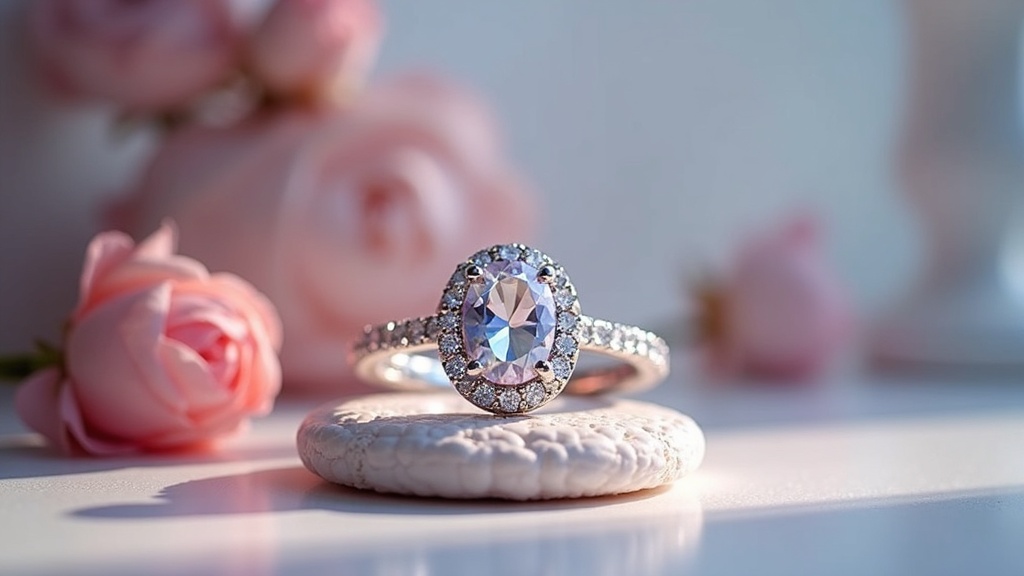
Jewel Ecommerce: How to Succeed in Online Jewelry Sales
Discover the essential strategies for building a successful jewel ecommerce business, from building consumer trust to leveraging technology for growth in the competitive online jewelry market.
Table of Contents
- Quick Summary
- Jewel Ecommerce in Context
- Introduction
- Building Consumer Trust in the Digital Age
- Technology as a Competitive Advantage
- The Omnichannel Shopping Experience
- Sustainability and Ethical Sourcing
- Important Questions About Jewel Ecommerce
- Comparison: Key Approaches to Online Jewelry Sales
- Practical Tips for Jewel Ecommerce Success
- Key Takeaways
- Useful Resources
Article Snapshot: Jewel ecommerce is the online sale of jewelry, including rings, necklaces, bracelets, and watches. Success in this market requires building consumer trust through certification, leveraging technology like augmented reality, creating a seamless omnichannel experience, and embracing ethical sourcing to attract modern shoppers.
Jewel Ecommerce in Context
- Global online jewelry sales are projected to reach $60 billion by 2026 (Statista, 2024)[1].
- Around 73 percent of consumers buying fine jewelry online say that certifications and authenticity guarantees are critical factors in their purchase decision (De Beers Group, 2024)[4].
- Virtual try-on and augmented reality tools for jewelry can increase online conversion rates by up to 30 percent compared with sites that do not offer these features (Snap Inc., 2024)[7].
- Return rates for online jewelry purchases are estimated at around 8 percent, significantly lower than the average apparel ecommerce return rate (Digital Commerce 360, 2024)[8].
Introduction
Jewel ecommerce has transformed how consumers discover, evaluate, and purchase fine jewelry. Once considered a category that required in-person inspection, online jewelry sales have surged, driven by improvements in digital trust, immersive technology, and changing consumer habits. According to David Marcotte, Senior Vice President, Global Retail and Technology at Kantar, “Jewelry has become one of the fastest-growing categories in ecommerce because consumers are increasingly comfortable making high-ticket, emotionally driven purchases online, provided that retailers deliver trust through certification, transparent pricing, and rich product storytelling” (Kantar, 2024)[2].
This article explores the four pillars of a successful online jewelry business: building trust, using technology to bridge the gap between digital and physical, creating an omnichannel experience, and meeting the growing demand for sustainability. Whether you are launching a new store or refining an existing one, understanding these elements is critical for growth in this competitive space. For inspiration on niche offerings, consider how specialized stores like jewelry for pet lovers stand out by catering to specific emotional connections.
Building Consumer Trust in the Digital Age
The cornerstone of jewel ecommerce is consumer trust. Unlike lower-cost items, jewelry purchases are often emotionally significant and financially substantial, making buyers wary of fraud or misrepresentation. Retailers must address these concerns head-on to convert visitors into customers.
Certifications and authenticity guarantees are non-negotiable. As noted by De Beers Group, around 73 percent of consumers buying fine jewelry online say that certifications and authenticity guarantees are critical factors in their purchase decision[4]. Providing detailed information about diamond grading, metal purity, and gemstone origins helps alleviate doubt. Retailers should display certification from recognized bodies like GIA or IGI prominently on product pages.
Transparent pricing is equally vital. Hidden fees or ambiguous return policies erode confidence. Offering free shipping, easy returns, and clear warranty information builds a safety net for the buyer. The return rates for online jewelry purchases are estimated at around 8 percent, significantly lower than the average apparel ecommerce return rate[8], which suggests that when trust is established, buyers are satisfied with their purchases.
Rich product storytelling also plays a role. High-resolution photography, 360-degree videos, and detailed descriptions that explain the craftsmanship behind each piece help recreate the in-store experience. As Michelle Graff, Editor-in-Chief at National Jeweler, puts it, “The jewel ecommerce winners are the retailers who treat their websites like flagship stores – investing in photography, video, and education – rather than as simple product catalogs” (National Jeweler, 2024)[5].
Leveraging Customer Reviews and Social Proof
Customer reviews and user-generated content are powerful trust signals. Showcasing real photos from buyers and detailed testimonials provides social proof that the products meet expectations. This is especially important for a concretegrout guide type of industry, but in jewelry, it translates to demonstrating that the item looks as good in person as it does online.
Technology as a Competitive Advantage
Technology is reshaping the online jewelry shopping experience, making it more interactive and personalized. The most successful jewel ecommerce platforms invest in tools that simulate the tactile experience of trying on jewelry.
Virtual try-on and augmented reality (AR) tools have proven to be game-changers. According to Snap Inc., these features can increase online conversion rates by up to 30 percent compared with sites that do not offer them[7]. AR allows customers to see how a ring looks on their finger or how a necklace sits on their neckline, reducing hesitation and returns.
Mobile optimization is another critical factor. Leading online jewelers report that mobile devices account for 65 percent of traffic and more than 50 percent of completed transactions[6]. A mobile-first design with intuitive navigation, fast loading times, and seamless checkout is essential for capturing this audience.
Personalization tools, such as guided selling quizzes and robust filtering options, help customers navigate large inventories. As Lauren Freedman, Senior Consumer Insights Analyst at Digital Commerce 360, notes, “Shoppers buying jewelry online expect the same level of personalization they receive in-store, which means robust filtering, virtual try-on, and guided selling tools are no longer differentiators – they are table stakes” (Digital Commerce 360, 2024)[8].
Data-Driven Marketing
Using customer data to personalize email campaigns, retargeting ads, and product recommendations can significantly boost sales. Understanding browsing behavior and purchase history allows retailers to suggest complementary items or remind customers about abandoned carts, driving higher conversion rates.
The Omnichannel Shopping Experience
Modern consumers expect a seamless experience across all channels, whether they are browsing on a phone, visiting a website, or walking into a physical store. An omnichannel approach is essential for building a cohesive brand and meeting customer expectations.
Digital channels are now central to the consumer diamond journey, with social media inspiration, online research, and ecommerce platforms collectively reshaping how jewelry is discovered and purchased, according to the De Beers Group Marketing Team[4]. Retailers must ensure that their online and offline experiences are integrated. This includes options like buy online, pick up in-store (BOPIS), virtual consultations with in-store staff, and consistent pricing across channels.
Anya Burton, Director, Jewelry & Luxury Practice at McKinsey & Company, explains that “Jewel ecommerce is entering a new phase where brands must balance omnichannel convenience with the intimacy of the jewelry buying experience, integrating online discovery with in-store validation and after-sales service” (McKinsey & Company, 2024)[3]. This means that a customer might research a ring online, visit a store to see it in person, and then complete the purchase on their phone.
Social media platforms like Instagram and Pinterest are vital for discovery and inspiration. Retailers should use these channels to showcase new arrivals, share customer stories, and run targeted ads. The share of jewelry purchases made through ecommerce channels increased to 25 percent of total global jewelry sales in 2023[3], highlighting the growing importance of a strong digital presence.
Sustainability and Ethical Sourcing
Sustainability has moved from a niche concern to a mainstream demand in the jewelry industry. Consumers, particularly younger generations, are increasingly making purchase decisions based on a brand’s ethical and environmental practices.
Sustainability-related claims, such as recycled metals and ethically sourced gemstones, influence purchase decisions for 45 percent of online jewelry shoppers[3]. Retailers that communicate their commitment to ethical sourcing, fair labor practices, and environmental stewardship can differentiate themselves in a crowded market.
Transparency is key. Providing information about the origin of materials, the conditions of miners and artisans, and the carbon footprint of production builds trust with conscious consumers. For example, using recycled gold or lab-grown diamonds can appeal to buyers who want beautiful jewelry without the environmental and social costs associated with traditional mining.
Approximately 40 percent of Gen Z consumers in a recent survey reported that they had purchased jewelry online in the past 12 months[5], and this demographic is particularly attuned to sustainability issues. Retailers targeting younger buyers should highlight their ethical credentials prominently on product pages and in marketing materials.
Storytelling Around Ethical Practices
Beyond listing certifications, retailers can use storytelling to connect with customers on an emotional level. Sharing the journey of a gemstone from mine to market, or the story of the artisans who crafted a piece, adds a layer of meaning that justifies the price and builds brand loyalty.
Important Questions About Jewel Ecommerce
How do I build trust with customers in an online jewelry store?
Building trust in jewel ecommerce requires a multi-faceted approach. First, provide clear and verifiable certifications from recognized gemological institutes for diamonds and gemstones. Second, offer transparent pricing with no hidden fees and a straightforward return policy. Third, invest in high-quality product photography and videos that accurately represent the items. Finally, showcase customer reviews and user-generated content to provide social proof. According to De Beers Group, 73 percent of online fine jewelry buyers consider certifications critical to their decision[4].
What technology is essential for an online jewelry business?
Essential technology for a successful online jewelry business includes a mobile-optimized website, as mobile devices account for 65 percent of traffic[6]. Augmented reality (AR) and virtual try-on tools are also critical, as they can increase conversion rates by up to 30 percent[7]. Additionally, robust filtering and search functionality, personalized product recommendations, and a secure payment gateway are foundational. For marketing, a CRM system that tracks customer behavior and enables targeted email campaigns is highly valuable.
How can I make my online jewelry store more sustainable?
To make your online jewelry store more sustainable, start by sourcing materials ethically. Use recycled metals and lab-grown diamonds or gemstones from certified responsible mines. Clearly communicate your sourcing practices on your website, as 45 percent of online jewelry shoppers are influenced by sustainability claims[3]. Reduce packaging waste by using eco-friendly materials and offer carbon-neutral shipping options. Finally, consider implementing a jewelry buy-back or recycling program to extend the lifecycle of your products.
What are the best marketing strategies for jewel ecommerce?
The best marketing strategies for jewel ecommerce combine visual storytelling with data-driven targeting. Use high-quality images and videos on social media platforms like Instagram and Pinterest to inspire and engage potential buyers. Implement search engine optimization (SEO) with a focus on long-tail keywords like “custom engagement rings” or “ethical diamond necklaces.” Email marketing is also effective for nurturing leads and recovering abandoned carts. Additionally, collaborating with influencers and leveraging user-generated content can build trust and expand your reach.
Comparison: Key Approaches to Online Jewelry Sales
Different business models can succeed in the jewel ecommerce space, but each comes with its own set of advantages and challenges. The table below compares four common approaches to help you choose the right path for your venture.
| Approach | Key Strength | Main Challenge | Best For |
|---|---|---|---|
| DTC Brand (Direct-to-Consumer) | Full control over brand narrative and customer relationships | High upfront investment in marketing and inventory | Entrepreneurs with a strong brand vision |
| Marketplace Seller (e.g., Etsy, Amazon) | Access to a large, built-in customer base | High competition and limited brand differentiation | Small artisans and new sellers |
| Niche Specialty Store | Targets a specific audience with unique products | Smaller potential market size | Stores focusing on a specific theme, like jewelry for pet lovers |
| Luxury Ecommerce Platform | High average order value and brand prestige | Requires significant investment in trust and service | Established jewelers moving online |
Practical Tips for Jewel Ecommerce Success
Here are actionable strategies to help you thrive in the competitive online jewelry market:
- Invest in high-quality visuals: Professional photography and 360-degree videos are essential. Consider using AR tools to allow customers to try on items virtually, which can boost conversion rates significantly.
- Build a trust-first experience: Display certifications, offer a clear return policy, and provide excellent customer service. Use live chat or virtual consultations to answer buyer questions in real time.
- Optimize for mobile: Ensure your website loads quickly on mobile devices and offers a seamless checkout experience. Since mobile accounts for the majority of traffic and transactions, a poor mobile experience will cost you sales.
- Embrace ethical sourcing: Highlight your use of recycled metals, lab-grown diamonds, or fair-trade gemstones. This appeals to the growing segment of conscious consumers, especially among Gen Z.
- Use data for personalization: Leverage customer data to send personalized email recommendations, retargeting ads, and special offers. This can increase customer lifetime value and repeat purchases.
- Focus on niche markets: Differentiate your store by targeting a specific audience, such as pet lovers, bridal customers, or fans of minimalist design. A focused approach can help you stand out and build a loyal community.
For more about Ecommerce seo services, see read the full guide on ecommerce seo services.
Key Takeaways
The jewel ecommerce landscape offers immense opportunity for retailers who prioritize trust, technology, omnichannel integration, and sustainability. By treating your online store as a flagship experience and investing in tools that replicate the in-person shopping journey, you can capture a share of the growing $60 billion market. As the industry evolves, staying ahead of consumer expectations will be the key to long-term success. To learn more about building a successful online jewelry business, explore our colloidalmixers guide for additional insights on ecommerce strategies.
Useful Resources
- Global online jewelry sales forecast. Statista.
https://www.statista.com - Ecommerce Category Growth Outlook for 2024. Kantar.
https://www.kantar.com - The Future of Luxury and Jewelry Ecommerce. McKinsey & Company.
https://www.mckinsey.com - Diamond Insight Report 2024 – Consumer Trends. De Beers Group.
https://www.debeersgroup.com - Why Online Jewelry Retailers Are Outpacing the Market. National Jeweler.
https://www.nationaljeweler.com - Mobile traffic and transaction data for online jewelers. Shopify.
https://www.shopify.com - Virtual try-on and AR conversion rate data. Snap Inc.
https://www.snap.com - How Online Jewelers Are Elevating the Digital Experience. Digital Commerce 360.
https://www.digitalcommerce360.com