
The Complete Colloidalgroutplants Guide for Construction
Read our colloidalgroutplants guide to understand high-shear mixing, pump setups, and how to select the best equipment for your next construction project today.
Table of Contents
- Introduction
- Core Components of High-Shear Systems
- Selection Parameters for Grout Plants
- Performance Benefits in Modern Construction
- Operational Best Practices
- What People Are Asking
- Comparison of Mixing Approaches
- Practical Tips
Key Takeaway
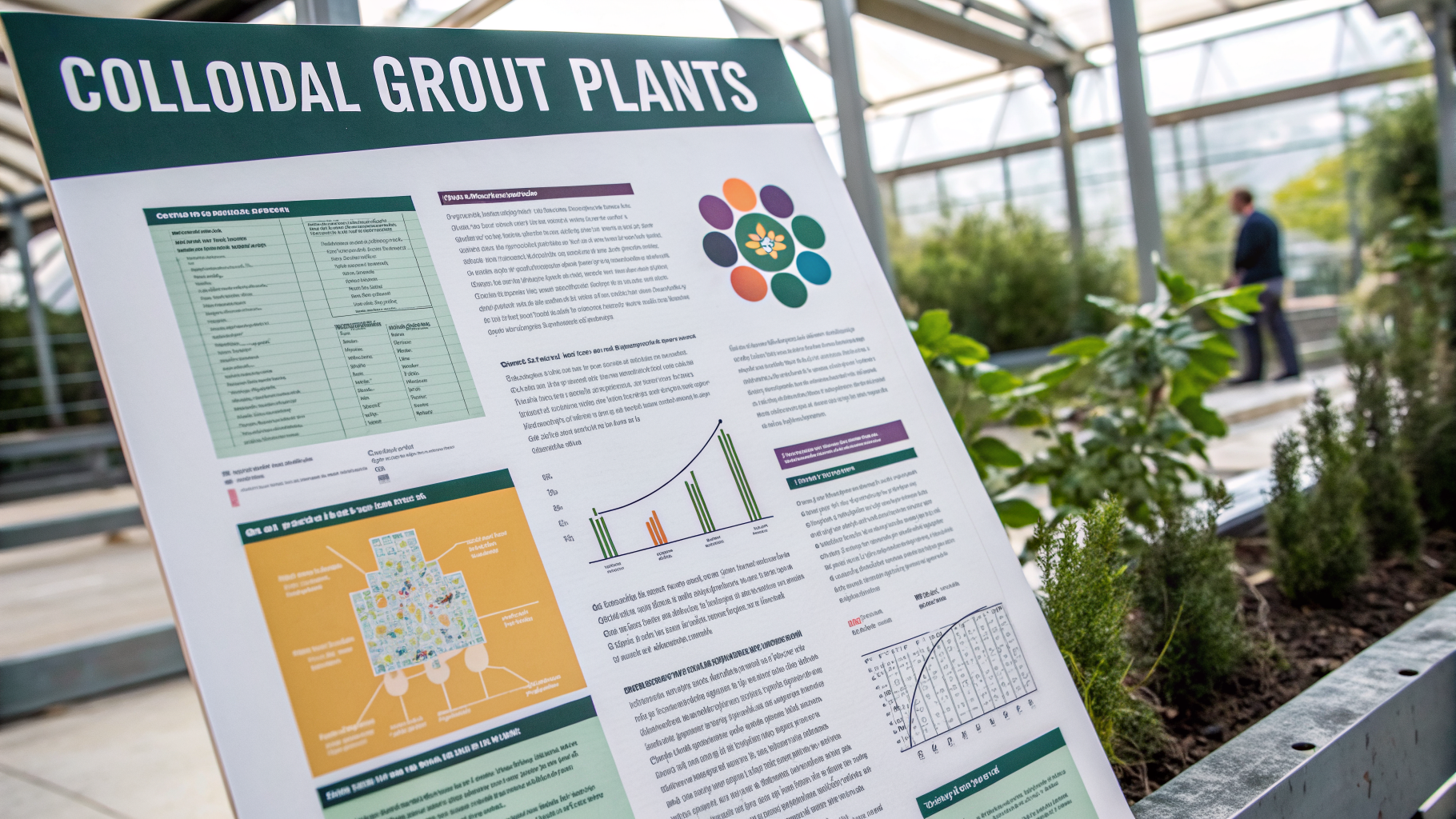
The colloidalgroutplants guide is a comprehensive resource detailing the selection, operation, and maintenance of high-shear mixing equipment used in civil engineering. It covers essential components like mixers, agitation tanks, and pumps, helping contractors achieve superior grout stability, minimize bleed, and ensure consistent material delivery for demanding foundation and tunneling projects.
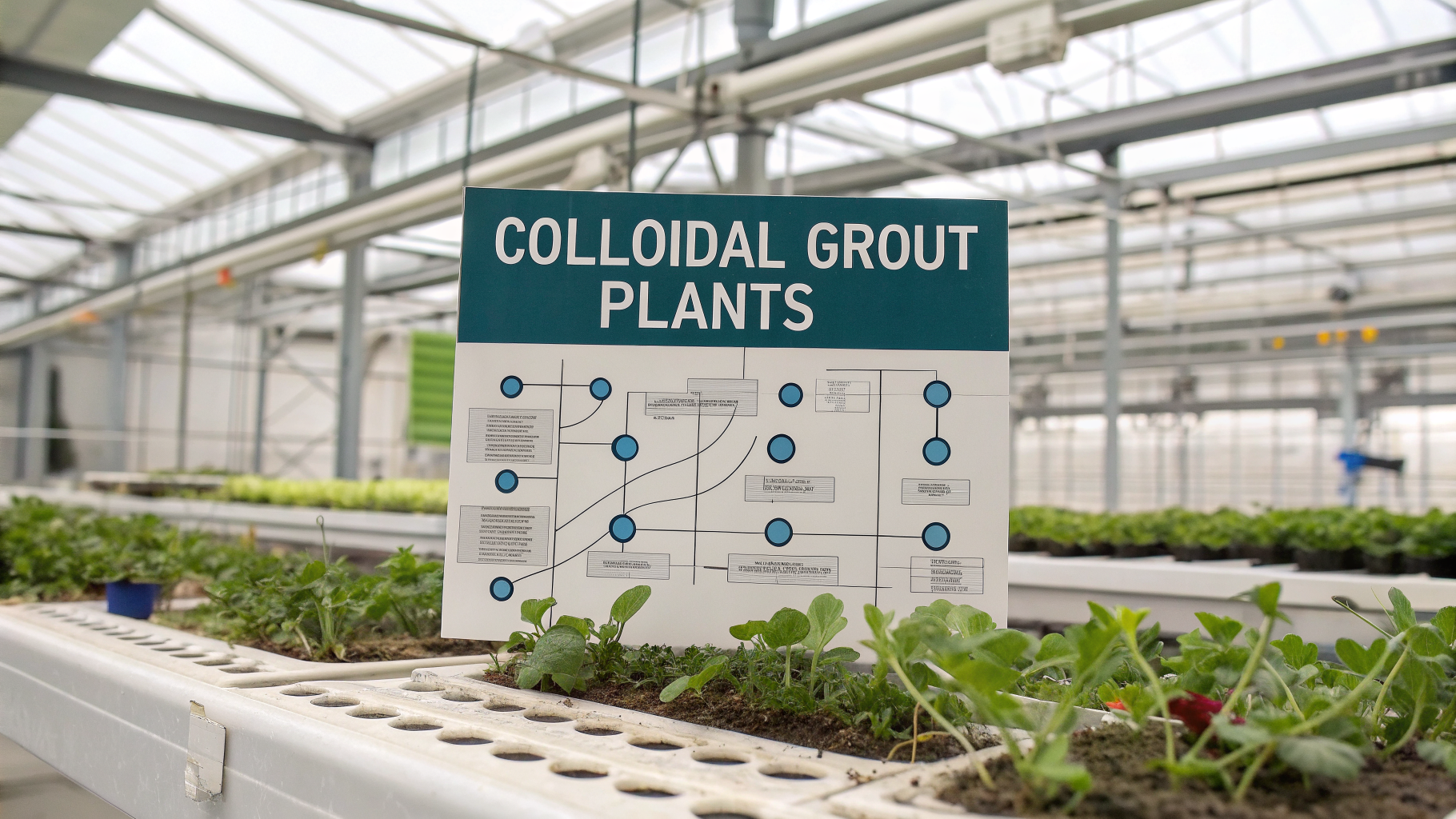
Market Snapshot
- High-pressure plants can deliver up to 20 gallons per minute at 2000 PSI (ChemGrout, 2023)[1].
- Modern systems configured for large civil projects can output up to 140 cubic meters per hour (Amix Systems, 2024)[2].
- High-shear mixers operate at rotor speeds up to 3000 RPM to generate necessary vortex action (Penndrill, 2025)[3].
- Continuous mixing setups reduce on-site mixing time by up to 30 percent compared to traditional methods (Intech Anchoring, 2024)[4].
Introduction
The colloidalgroutplants guide provides essential insights for contractors navigating the complexities of modern foundation and tunneling work. When dealing with deep soil stabilization or underground backfill, the quality of your cementitious grout directly impacts structural integrity. Traditional batch mixing often falls short, leading to segregation and inconsistent strength. This is where high-shear mixing technology transforms project outcomes. By generating a powerful vortex action, these systems ensure complete cement particle hydration and exceptional grout stability. In this article, we will explore the core mechanical components that drive these systems, outline the critical selection parameters for matching equipment to specific site conditions, and examine the measurable performance benefits on active job sites. Whether you are planning a micropile installation or a large-scale civil project, understanding these principles will help you optimize your grout supply and reduce costly rework. For a deeper dive, consult a detailed colloidal grout plant manual.
Core Components of High-Shear Systems
A true colloidal grout plant relies on the precise integration of a high-shear mixer, an agitation tank, and a matched pump to deliver consistent results. The heart of the system is the mixer, which utilizes high-shear mixing principles to break down cement agglomerates. According to industry experts, achieving proper cement particle hydration requires rotor speeds between 2000 and 3000 RPM to generate the vortex action necessary for a stable suspension (Penndrill, 2025)[3]. This intense mechanical action prevents bleed and segregation, which are common failures in cement-based grouts prepared with standard equipment.
Once the material is mixed, it transfers to an agitation tank. This holding vessel ensures the mixture remains homogeneous while the pump draws it downhole. As Tom Pennington, Technical Director at Penndrill Manufacturing, explains, “A true colloidal grout plant relies on high‑shear vortex action in the mixer and a properly matched agitation tank and pump; when those three elements are balanced, you get exceptional grout stability even at high output rates” (Penndrill, 2025)[3]. Reviewing a comprehensive colloidal grouting equipment handbook will show that balancing these three elements is the primary engineering challenge for manufacturers. When reading through the colloidalgroutplants guide documentation, contractors should always verify that the mixer capacity perfectly aligns with the pump draw rate to prevent cavitation or material settling.
Selection Parameters for Grout Plants
When selecting equipment for a specific project, flow rate and pressure requirements must dictate the configuration of the entire system. John E. Wheeler, Vice President of Engineering at ChemGrout Inc., notes that “When selecting a colloidal grout plant, flow rate and pressure requirements should be determined first; everything else – the mixer size, pump configuration, power system, and even mobility – follows from those core parameters” (ChemGrout, 2023)[1]. For foundation grouting tasks, contractors typically choose between a piston pump and a plunger pump. Piston models generally offer lower discharge pressure, ranging from 5 to 16 gallons per minute at up to 400 PSI, making them ideal for shallow void filling.
Conversely, plunger pumps are engineered for high-pressure ground anchoring and tunneling, delivering 10 to 20 gallons per minute at pressures reaching 2000 PSI (ChemGrout, 2023)[1]. Power availability on-site also dictates the final build. Modern systems offer up to five different power system options, including air, hydraulic, electric, gas, and diesel configurations (ChemGrout, 2023)[1]. Following standard colloidal mixer plant instructions ensures that the chosen power unit matches the site’s electrical or fuel infrastructure. You can review colloidal grout mixer sample configurations to see how these components are packaged, or consult comprehensive colloidal grout plant specifications for detailed capacity charts. Ultimately, a thorough grout plant selection guide will always prioritize matching the pump’s pressure capabilities to the specific geotechnical demands of the soil or rock formation being treated.
Performance Benefits in Modern Construction
Upgrading to high-shear colloidal mixing delivers measurable improvements in both material quality and overall job site efficiency. The most significant advantage is the enhancement of backfill quality and early strength in underground operations. Research indicates that using a colloidal mixer for cemented rockfill can improve early unconfined compressive strength by approximately 15 to 20 percent compared with conventional mixing methods (SIMEM Underground, 2024)[5]. This structural improvement is critical for mining and tunneling projects where rapid stabilization is required to maintain safe working conditions.
Beyond material strength, operational efficiency sees a dramatic boost. Foundation grouting systems equipped with high-efficiency mixers can reduce on-site mixing time by up to 30 percent compared to traditional batch mixing setups (Intech Anchoring, 2024)[4]. Eric Dunn, Director of Operations at Intech Anchoring Systems, highlights that “Contractors that move from conventional paddle mixers to modern colloidal grout plants typically see dramatic reductions in downtime and rework because the grout is more consistent and meets specification the first time” (Intech Anchoring, 2024)[4]. For professionals seeking validated technical data, the American Concrete Institute grouting standards provide extensive benchmarks for evaluating these performance gains. By minimizing material waste and accelerating production cycles, the return on investment for advanced mixing equipment becomes evident very quickly on active job sites.
Operational Best Practices
Maximizing the lifespan and output of your equipment requires strict adherence to daily maintenance and operational protocols. The transition from batch mixing to continuous mixing is one of the most effective ways to maintain a steady workflow. Systems equipped with separate mixer and holding tanks allow contractors to maintain a near-constant grout supply, which is critical for continuous micropile installation and helical anchor projects where production cycles are measured in minutes (Intech Anchoring, 2024)[4]. This dual-tank setup ensures that the pump never starves for material, preventing pressure drops that could compromise the integrity of the grout column.
Applying the Guide on Site
Routine flushing and cleaning of the agitation tank and pump lines at the end of each shift are non-negotiable steps to prevent cementitious grout from hardening inside the machinery. Operators should also monitor the viscosity of the slurry continuously, adjusting the water-to-cement ratio as needed to maintain optimal flow characteristics. Following a structured colloidal mixing system tutorial helps new operators understand the nuances of shear rates and material rheology. Staying informed about recent grout mixing industry updates can also introduce crews to new chemical admixtures that further enhance pumpability and set times. By combining rigorous daily maintenance with real-time quality control, construction teams can fully leverage the capabilities of their high-shear equipment to deliver flawless results on every project.
What People Are Asking
What is the main advantage of high-shear mixing over conventional paddle mixers?
The primary advantage is the creation of a highly uniform, stable suspension with minimal bleed. High-shear mixers use intense vortex action to completely break down cement agglomerates, ensuring every particle is fully hydrated. This results in a stronger grout that meets strict specifications, whereas paddle mixers often leave dry clumps.
How do I determine the correct pump pressure for my foundation grouting project?
Determining the correct pump pressure requires analyzing the geotechnical report and injection depth. Shallow void filling typically requires lower pressures, making piston pumps suitable. For deep soil stabilization or tunneling, high-pressure plunger pumps capable of reaching 2000 PSI are necessary to force grout into dense geological formations.
Can colloidal grout plants be used for underground mining backfill?
Yes, these plants are highly effective for underground mining backfill, particularly for cemented rockfill systems. The intense mixing action improves the early unconfined compressive strength of the fill material by up to 20 percent. This accelerated strength gain allows mining operations to resume extraction activities much sooner, improving site safety.
What power options are available for remote construction sites?
Manufacturers offer multiple power configurations to accommodate remote locations. While electric and hydraulic setups are common, diesel-hydraulic and gas-hydraulic systems provide independence from the electrical grid. Pneumatic air-powered models are also available for hazardous environments, such as underground mines, where combustion engines pose a safety risk.
Comparison of Mixing Approaches
Selecting the right mixing methodology is crucial for project success, and the colloidalgroutplants guide highlights the distinct differences between available technologies. While traditional methods are cheaper upfront, they often incur hidden costs through rework and material waste. The table below contrasts the primary mixing approaches used in modern geotechnical construction.
| Feature | High-Shear Colloidal | Conventional Paddle | Continuous Batch |
|---|---|---|---|
| Mixing Action | Intense vortex / shear | Folding / tumbling | Sequential batch blending |
| Grout Stability | Exceptional, zero bleed | Prone to segregation | Moderate, variable |
| Output Consistency | Highly uniform | Variable quality | Batch-to-batch shifts |
| Best Application | Deep anchors, mining | Shallow void fill | Large volume slabjacking |
Practical Tips
Optimizing your grouting operations requires attention to both equipment handling and material science. Implementing the following best practices will help you maintain peak efficiency and extend the lifespan of your machinery.
- Pre-wet the system: Always run a small batch of neat cement slurry or water through the mixer and pump before introducing the primary grout. This lubricates the lines and prevents the dry aggregate from absorbing moisture out of your main mix.
- Monitor rheology continuously: Use a flow cone or mud balance to test the viscosity and density of the grout at regular intervals. Adjust the water-to-cement ratio immediately if the readings drift outside the specified engineering tolerances.
- Implement strict flush cycles: Never allow cementitious material to sit in the agitation tank or pump lines for more than a few minutes. Flush the entire system with clean water immediately after pumping stops to prevent catastrophic hardening inside the stator and rotor.
By integrating these habits into your daily workflow, you ensure that every cubic yard of material delivered downhole meets the rigorous demands of modern structural engineering.
The Bottom Line
Mastering the principles outlined in this colloidalgroutplants guide is essential for any contractor aiming to deliver superior foundation and tunneling results. By prioritizing high-shear mixing technology, matching pump pressures to geotechnical demands, and adhering to strict operational protocols, you can eliminate costly rework and accelerate project timelines. The transition to advanced mixing systems represents a significant leap forward in material consistency and job site efficiency. To continue expanding your knowledge and explore more equipment insights, visit the resources available on colloidalgroutmixer.com for your next big project.
Sources & Citations
- Grout Plant Selection Guide. ChemGrout Inc.
https://multicretesystems.com/wp-content/uploads/2023/03/CHEMGROUT-Line.pdf - Colloidal Mixing Grout Plants for Superior Results. Amix Systems Ltd.
https://amixsystems.com/colloidal-mixing-grout-plants/ - What is High Shear Colloidal Mixer Technology? Penndrill Manufacturing.
https://penndrill.com/what-is-high-shear-colloidal-mixer-technology/ - Grout Plants & Mixing Systems for Foundation Contractors. Intech Anchoring Systems.
https://intechanchoring.com/equipment-rental-sales/grout-plants/ - The Development of Colloidal Mixer Based CRF Systems. SIMEM Underground Solutions.
https://simemug.com/wp-content/uploads/Development-of-Colloidal-Mixer-Based-CRF-Systems.pdf