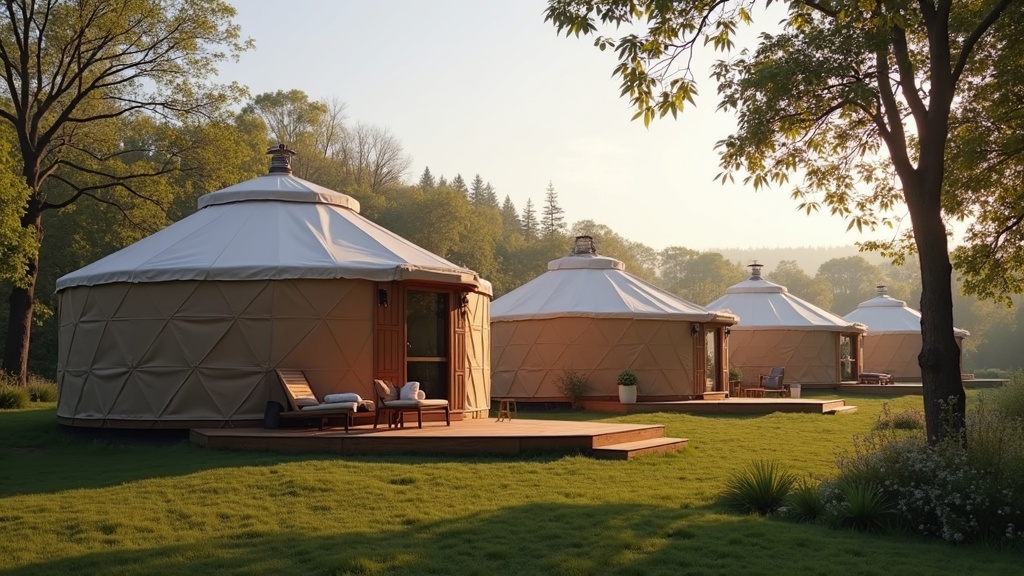
Yurts for Glamping: A Complete Guide to Luxury Tent Stays
Discover why yurts for glamping are reshaping outdoor hospitality with their blend of comfort, sustainability, and visual appeal. This guide covers market trends, design considerations, operational tips, and investment insights for anyone exploring this growing segment of nature-based accommodation.
Table of Contents
- Introduction
- The Growing Market for Yurts in Glamping
- Design and Comfort: What Makes a Yurt a Glamping Star
- Sustainability and Eco-Tourism Benefits
- Operational and Investment Insights for Yurt Glamping
- Frequently Asked Questions
- Comparison: Yurts vs. Other Glamping Structures
- Practical Tips for Yurt Glamping Operators
- Final Thoughts on Yurts for Glamping
- Further Reading
Quick Stats: Yurts for Glamping
- The global glamping market, which includes yurts, was valued at $3.87 billion in 2024 (Strategic Market Research, 2024)[1].
- Yurt-based glamping units reported an average annual occupancy rate of 68% in 2024 across surveyed sites in Europe and North America (Glamping Hub, 2024)[2].
- Compared with standard camping, glamping stays that included yurts generated 2.3 times higher average nightly revenue per unit for operators in 2024 (Glamping Hub, 2024)[2].
- In a 2024 survey of US outdoor lodging consumers, 39% said they were interested in staying in a yurt specifically within the next two years (Campspot, 2024)[3].
Introduction
Yurts for glamping have become a defining feature of the modern outdoor hospitality landscape. These circular, fabric-covered structures – rooted in the nomadic traditions of Central Asia – offer a compelling mix of aesthetic charm, functional design, and guest comfort. As the global glamping market continues its rapid expansion, yurts stand out as a versatile accommodation option that appeals to a wide range of travelers, from couples seeking a romantic weekend to families looking for a unique nature-based experience.
This guide explores why yurts are increasingly favored by both guests and operators. We will examine market data, design principles, sustainability credentials, and practical operational advice. Whether you are a seasoned hospitality professional or a newcomer exploring the idea of launching a glamping site, understanding the role of yurts can help you make informed decisions. For those looking to source high-quality structures, exploring options from specialized providers like Dragonyurts can be a valuable first step.
The Growing Market for Yurts in Glamping
The glamping sector has experienced remarkable growth, and yurts are at the heart of this expansion. The global glamping market, which includes yurts, was valued at $3.87 billion in 2024 and is projected to grow at a compound annual growth rate (CAGR) of 13.2% between 2024 and 2030 (Strategic Market Research, 2024)[1]. This surge is driven by travelers seeking experiences that blend outdoor immersion with the comforts of a hotel.
Data from the UK highlights the specific popularity of yurts. In 2024, 21% of new glamping developments in the UK included at least one yurt-based unit, making them the second most common non-cabin structure (DEFRA, 2024)[4]. Additionally, 58% of UK glamping operators planned to add or upgrade structures such as yurts in 2025 (VisitBritain, 2025)[5]. North American data reinforces this trend: 47% of glamping guests listed unique structures like yurts as a primary reason for choosing a site (KOA, 2024)[6].
Industry experts confirm this trajectory. Terry Stevens, an international tourism consultant, noted: “Glamping has moved from the margins to the mainstream of outdoor accommodation, and structures like yurts embody the fusion of comfort, authenticity, and sustainability that today’s travelers are seeking.”[7] This mainstream acceptance is translating into strong financial performance, with yurt-based units achieving an average annual occupancy rate of 68% in 2024 (Glamping Hub, 2024)[2].
Design and Comfort: What Makes a Yurt a Glamping Star
The appeal of yurts for glamping lies in their unique design, which prioritizes both aesthetic and functional comfort. A modern glamping yurt is far from a basic tent; it is a carefully engineered structure that can include insulation, electricity, heating, and even en-suite bathrooms. The circular shape is not only visually striking but also aerodynamically efficient, handling wind and snow loads well when properly constructed.
Sarah Riley, founder of The Glamping Academy, explained: “Yurts continue to be one of the most popular choices for new glamping businesses because they offer a strong visual impact, a relatively quick setup time, and a guest experience that feels both cosy and adventurous.”[8] This combination of quick deployment and high guest appeal makes yurts an attractive option for operators looking to enter the market quickly.
Key design features that enhance comfort include:
- Insulation and climate control: High-quality yurts use layers of felt, wool, or synthetic insulation, paired with wood stoves or mini-split HVAC systems, ensuring year-round comfort.
- Natural light and space: The lattice walls and central roof ring (or crown) allow for abundant natural light, while the open floor plan creates a sense of spaciousness that traditional cabins often lack.
- Customizable interiors: From king-sized beds and wood-burning fireplaces to full kitchens and private decks, yurts can be outfitted to meet luxury hotel standards.
Sustainability and Eco-Tourism Benefits
Yurts are frequently associated with sustainable tourism, a key driver for many modern travelers. Their design typically requires fewer permanent foundations than traditional buildings, reducing land disturbance. Dr. Megan Epler Wood, Director of the International Sustainable Tourism Initiative at Harvard, emphasized: “Well-designed yurts used for glamping can reduce land disturbance compared with permanent buildings, but operators need to back up their eco-marketing with measurable commitments on energy use, waste handling, and community benefit.”[9]
The sustainability credentials of yurts resonate strongly with guests. A 2024 survey found that 62% of glamping guests cited sustainability as a booking influence, and 29% specifically associated low-impact structures like yurts with more sustainable stays (Booking.com, 2024)[10]. This alignment with consumer values can be a powerful marketing tool for operators.
Furthermore, many yurt manufacturers use eco-friendly materials such as sustainably harvested wood for the lattice frame and natural wool or cotton for the coverings. When combined with renewable energy sources (solar panels, composting toilets, rainwater harvesting), yurts can achieve a very low environmental footprint, appealing to the growing segment of eco-conscious travelers.
Operational and Investment Insights for Yurt Glamping
For investors and operators, yurts offer a comparatively low-capex route into the glamping market. The average initial investment per yurt unit for commercial glamping operations in Europe in 2024 was approximately €28,000, including the structure, platform, and basic fit-out (European Travel Commission, 2024)[11]. This is significantly lower than building a permanent cabin or lodge, making yurts an accessible entry point.
Katherine Doggrell, Editor-in-Chief at Hospitality Investor, noted: “For investors, yurts offer a comparatively low-capex route into the glamping market, but the winners will be those who match distinctive design with robust year-round insulation and amenities that meet hotel-level expectations.”[12] This underscores the need to invest in quality infrastructure and amenities to maximize returns.
Operational considerations include:
- Site selection and permitting: Check local zoning laws and building codes, as some areas classify yurts as temporary structures, while others require permits similar to permanent buildings.
- Seasonality management: With proper insulation and heating, yurts can operate year-round in many climates, helping to smooth revenue and maximize the return on investment.
- Marketing unique experiences: Emphasize the distinctiveness of a yurt stay – the round walls, the feeling of being close to nature without sacrificing comfort, and the Instagram-worthy aesthetics.
Important Questions About Yurts for Glamping
What is the average cost to set up a yurt for glamping?
The initial investment for a commercial yurt unit in Europe averaged approximately €28,000 in 2024, including the structure, platform, and basic fit-out (European Travel Commission, 2024)[11]. Costs vary based on size, materials (e.g., canvas vs. insulated fabric), and added amenities like en-suite bathrooms or kitchens. In North America, prices can range from $15,000 to $40,000 for a well-equipped unit. It is crucial to budget for site preparation, permits, and furnishing to ensure a high-quality guest experience.
Are yurts suitable for year-round glamping in cold climates?
Yes, with proper insulation and heating, yurts can perform well in cold climates. Many modern yurts use multi-layer insulation (e.g., wool felt, foam, or synthetic batting) and are equipped with wood stoves, propane heaters, or mini-split heat pumps. The circular shape and central roof crown help with air circulation and heat retention. However, operators must ensure the structure is rated for snow loads and that the heating system is adequate for the local winter conditions. Proper weatherproofing of the canvas cover and platform is also essential.
How do yurts compare to cabins or domes for glamping?
Yurts offer a unique aesthetic and a more immersive, tent-like feel compared to cabins, which are often more solid and permanent. Domes, like geodesic domes, provide a futuristic look and can be more resilient to extreme weather. Yurts generally have a lower initial cost than cabins and a faster setup time than both cabins and many domes. They also have a strong cultural and historical appeal that resonates with many guests. The choice depends on the desired guest experience, budget, and site conditions. For a comprehensive comparison, see the table below.
What are the key maintenance requirements for a glamping yurt?
Maintenance for a glamping yurt is relatively straightforward but requires regular attention. Key tasks include: inspecting and re-tensioning the canvas cover annually to prevent sagging; checking the lattice frame for rot or damage; sealing the wooden platform to prevent moisture ingress; and cleaning the roof crown to ensure proper ventilation. The fabric cover may need periodic washing or waterproofing treatment. In snowy climates, operators must manage snow accumulation on the roof. With proper care, a well-built yurt can last 10–15 years or more.
Comparison: Yurts vs. Other Glamping Structures
Choosing the right structure is a critical decision for any glamping operator. Below is a comparison of yurts with two other popular options: cabins and geodesic domes. Each has distinct advantages in terms of cost, guest experience, and operational requirements.
| Feature | Yurt | Cabin | Geodesic Dome |
|---|---|---|---|
| Average Setup Cost | €28,000 (moderate) | High (€50,000+) | Moderate to High (€25,000–€50,000) |
| Guest Appeal | High (unique, authentic) | High (familiar, solid) | Very High (futuristic, Instagrammable) |
| Setup Time | Fast (days to weeks) | Slow (months) | Moderate (weeks) |
| Insulation/Weather Resistance | Good (with upgrades) | Excellent | Excellent |
| Land Disturbance | Low | High | Low to Moderate |
Practical Tips for Yurt Glamping Operators
Running a successful yurt glamping business requires attention to detail and a focus on the guest experience. Here are actionable tips based on industry best practices:
- Invest in quality insulation and heating: Year-round operation is key to maximizing revenue. Ensure your yurt is properly insulated and equipped with a reliable heating system (e.g., a wood stove with good ventilation or a mini-split heat pump).
- Create a memorable interior: Furnish the yurt with comfortable beds, quality linens, and thoughtful touches like a seating area, rugs, and ambient lighting. The interior should feel like a boutique hotel room, not a camping tent.
- Leverage the unique structure in marketing: Use high-quality photos and videos that highlight the yurt’s circular shape, natural light, and scenic setting. Emphasize the “glamping” experience – luxury in nature.
- Plan for site preparation and permits: Work with local authorities early to understand zoning and building codes. Choose a level site with good drainage and consider the view for each yurt.
- Offer add-on experiences: Boost revenue by offering packages such as private chef dinners, guided hikes, stargazing kits, or spa services. These differentiate your site and increase guest satisfaction.
For more about Yurts for glamping, see explore yurts for glamping in depth.
Final Thoughts on Yurts for Glamping
Yurts for glamping represent a powerful intersection of tradition and modern hospitality. With strong market growth, high guest satisfaction, and relatively low entry costs, they offer a compelling opportunity for both new and established operators. By focusing on quality construction, sustainable practices, and exceptional guest experiences, yurt glamping can be a profitable and rewarding venture. To learn more about how to get started, explore our detailed microsoft ai training resources, or check out a sample page for additional insights.
Further Reading
- Global Glamping Market Report 2024. Strategic Market Research.
https://www.strategicmarketresearch.com/market-report/glamping-market - 2024 Annual Glamping Operator Survey. Glamping Hub.
https://glampinghub.com/research/2024-annual-glamping-operator-survey/ - Outdoor Lodging Trends Report 2024. Campspot.
https://www.campspot.com/camp-guide/outdoor-lodging-trends-report-2024 - Rural Tourism Accommodation Planning Approvals 2024. UK Department for Environment, Food & Rural Affairs (DEFRA).
https://www.gov.uk/government/statistics/rural-tourism-accommodation-planning-approvals-2024 - VisitBritain Glamping Accommodation Operators Survey 2025. VisitBritain.
https://www.visitbritain.org/sites/default/files/vb-glamping-accommodation-operators-survey-2025.pdf - 2024 North American Camping Report: Glamping Insights. KOA (Kampgrounds of America).
https://koa.com/north-american-camping-report/2024-glamping-insights.pdf - The rise and rise of glamping – and what it means for rural tourism. Wales Online.
https://www.walesonline.co.uk/news/local-news/rise-rise-glamping-what-means-28509494 - Podcast: Choosing the right structure for your glamping site in 2025. Inspired Camping.
https://inspiredcamping.com/glamping-business-podcast-choosing-structures-2025/ - Sustainable glamping: opportunities and pitfalls for nature-based tourism. Harvard T.H. Chan School of Public Health.
https://www.hsph.harvard.edu/news/features/sustainable-glamping-yurts-and-eco-lodging/ - Sustainable Travel Report 2024. Booking.com.
https://www.booking.com/sustainable-travel-report-2024.html - Alternative Accommodation Cost Benchmarking 2024. European Travel Commission.
https://etc-corporate.org/reports/alternative-accommodation-cost-benchmarking-2024/ - Why alternative structures like yurts are attracting hospitality investors. Hospitality Investor.
https://www.hospitalityinvestor.com/analysis/yurts-glamping-investment-2025