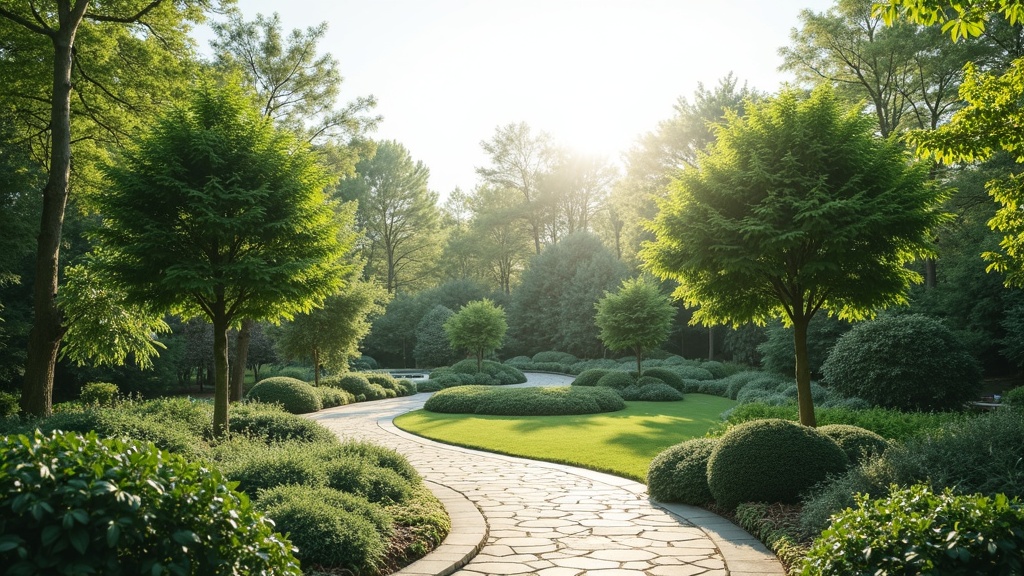
Ornamental Trees Gardening Overview: Selection and Care
Get an ornamental trees gardening overview covering species selection, planting, and maintenance. Learn how to choose the right tree for your landscape and keep it thriving for years.
Table of Contents
- Selecting the Right Ornamental Tree
- Planting and Establishment
- Watering and Soil Management
- Pruning and Long-Term Care
- Frequently Asked Questions
- Comparison: Ornamental Trees vs. Shade Trees
- Practical Tips for Ornamental Tree Care
- Final Thoughts on Ornamental Trees Gardening Overview
Quick Stats: Ornamental Trees Gardening Overview
- Acid-loving ornamental trees like magnolias and dogwoods thrive in soil with a pH range of 5.0–6.0 (Natura Nation, 2025)[1].
- Gardeners should check moisture at 2 inches below the soil surface before watering established trees (Nature Hills Nursery, 2024)[2].
- Experts advise avoiding heavy pruning for the first 4 years after planting to maximize establishment (At The Lake Magazine, 2024)[3].
An ornamental tree can transform an ordinary yard into a striking landscape. Unlike large shade trees, ornamental varieties offer seasonal flowers, unique bark, vibrant fall color, or a compact form that fits smaller spaces. This ornamental trees gardening overview will guide you through the key steps: choosing a species that matches your site conditions, planting it correctly, watering and feeding it properly, and keeping it healthy for decades. Whether you are a beginner or an experienced gardener, understanding these fundamentals will help you enjoy a beautiful, low-maintenance tree for years to come.
Selecting the Right Ornamental Tree
Choosing the right ornamental tree starts with understanding your yard’s conditions. Light exposure, soil type, and available space all determine which species will thrive. Nick Pesche, fourth-generation owner of Pesche’s Greenhouse, advises: “Some trees need full sun, while others thrive in shade. Think about how the new tree’s shade might affect existing plants and whether your yard will still flourish in 10 to 15 years as the tree grows” (At The Lake Magazine, 2024)[3]. This forward-thinking approach prevents future conflicts between the tree and other landscape elements.
Size is another critical factor. In landscape horticulture, ornamental flowering trees are commonly distinguished from shrubs by a height threshold of 4 meters (Agriculture.Institute – Agriculture Notes, 2024)[4]. Before purchasing, check the mature height and spread of your chosen species. A tree that looks small in a nursery pot may eventually overshadow your house or encroach on a driveway. Pesche also emphasizes: “It is also important to consider a tree’s size and distance from the house in order to prevent root or foundation issues – remember that planting a tree is a long-term commitment” (At The Lake Magazine, 2024)[3].
Soil pH matters significantly for some of the most popular ornamental species. For example, acid-loving trees such as magnolias and dogwoods perform best in soil with a pH range of 5.0–6.0 (Natura Nation, 2025)[1]. Test your soil before planting, and amend it if necessary to match the tree’s preferences. For professional guidance on selecting and sourcing trees, consider consulting the ornamental trees gardening overview and landscape resources available online.
Planting and Establishment
Proper planting sets the stage for a long, healthy life. Dig a hole twice as wide as the root ball but no deeper than the root ball’s height. Place the tree so that the root flare – where the trunk widens at the base – sits slightly above ground level. Backfill with native soil, not amended potting mix, to encourage roots to spread beyond the planting hole.
Watering immediately after planting is crucial. The Plants for All Seasons Horticulture Team explains: “Ornamental trees require consistent moisture, especially during the establishment period. Water regularly, providing deep, infrequent soakings to encourage deep root growth” (Plants for All Seasons, 2025)[5]. A good rule is to give newly planted trees about 3 soaking cycles per watering session, allowing the water to pool and drain each time (The Growing Place Garden Center, 2024)[6].
Mulching helps retain moisture and regulate soil temperature. Apply a 2- to 3-inch layer of organic mulch around the base, keeping it a few inches away from the trunk to prevent rot. Avoid piling mulch against the bark, which can invite pests and disease. For the first year, monitor the tree weekly during dry spells and water whenever the top few inches of soil feel dry.
Watering and Soil Management
Once established, ornamental trees need less frequent but deeper watering. Check soil moisture at 2 inches below the surface before watering (Nature Hills Nursery, 2024)[2]. If the soil feels dry at that depth, it is time to water. A slow, deep soak that reaches the entire root zone is far better than a light sprinkling that only wets the surface.
Fertilization should be minimal for most ornamental trees. For young trees during their establishment phase, one application per year is typically sufficient (Diacos Garden Nursery, 2024)[7]. Use a balanced, slow-release fertilizer formulated for trees and shrubs. The Natura Nation Editorial Team offers a key tip: “To maximize flowering, plant in full sun and avoid high-nitrogen fertilizers that promote leafy growth at the expense of blossoms” (Natura Nation, 2025)[1]. Over-fertilizing with nitrogen can result in a lush canopy with few flowers.
Soil health goes beyond pH. Good drainage is essential – most ornamental trees will not tolerate waterlogged roots. If your soil is heavy clay, consider planting in a raised bed or amending the planting area with organic matter to improve drainage. Regular mulching also feeds the soil as it decomposes, reducing the need for synthetic fertilizers.
Pruning and Long-Term Care
Pruning shapes the tree, removes dead or diseased wood, and encourages better flowering. However, patience is key. Experts advise avoiding heavy pruning for the first 4 years after planting to allow the tree to establish a strong root system and structure (At The Lake Magazine, 2024)[3]. During this period, only remove broken or crossing branches.
After the establishment phase, prune in late winter or early spring before new growth begins. Focus on thinning crowded branches, removing suckers from the base, and cutting back any limbs that rub against each other. Always use clean, sharp tools to make clean cuts that heal quickly. For flowering trees that bloom on old wood – such as dogwoods and magnolias – prune immediately after flowering to avoid removing next year’s flower buds.
Pest and disease monitoring should be part of your routine. Inspect leaves, bark, and branches each season for signs of trouble, such as discolored foliage, oozing sap, or unusual growths. Early detection makes treatment easier and less drastic. Many common issues, like powdery mildew or aphid infestations, can be managed with horticultural oils or insecticidal soaps if caught early. For ongoing education and expert advice, you can explore ai machine learning training and nvidia training resources that also touch on predictive modeling for plant health.
Important Questions About Ornamental Trees Gardening Overview
How do I know if my soil is right for an ornamental tree?
Test your soil pH and drainage before planting. Most ornamental trees prefer slightly acidic to neutral soil, but specific species like magnolias and dogwoods need a pH range of 5.0–6.0 (Natura Nation, 2025)[1]. You can buy a simple home test kit or send a sample to a local extension office. Also dig a small hole and fill it with water to see how fast it drains. If water still stands after 24 hours, consider improving drainage or choosing a different spot.
When is the best time to plant an ornamental tree?
Early spring or fall is ideal for planting most ornamental trees. Cool temperatures and regular rainfall help the tree establish roots before summer heat or winter cold arrives. Avoid planting during hot, dry summer months unless you are prepared to water very frequently. Bare-root trees should be planted while dormant in late winter or early spring.
How often should I water a newly planted ornamental tree?
Newly planted trees need consistent moisture. Water deeply once or twice a week during the first growing season, depending on rainfall. Give the tree about 3 soaking cycles per watering session, letting the water pool and drain each time (The Growing Place Garden Center, 2024)[6]. After the first year, water only when the soil feels dry at 2 inches below the surface (Nature Hills Nursery, 2024)[2].
Can I prune an ornamental tree in its first year?
Limit pruning in the first year to removing only broken, dead, or crossing branches. Heavy pruning should be avoided for the first 4 years after planting to allow the tree to establish a strong root system and structure (At The Lake Magazine, 2024)[3]. After that, prune in late winter or early spring, or right after flowering for trees that bloom on old wood.
Comparison: Ornamental Trees vs. Shade Trees
Understanding the differences between ornamental trees and shade trees helps you make the right choice for your landscape. Ornamental trees are typically smaller, focus on flowers or unique features, and fit into compact spaces. Shade trees grow larger and prioritize canopy coverage. The table below highlights key distinctions.
| Feature | Ornamental Trees | Shade Trees |
|---|---|---|
| Mature Height | Under 4 meters (Agriculture.Institute, 2024)[4] | Over 10 meters |
| Primary Appeal | Flowers, bark, fall color | Broad canopy, cooling shade |
| Space Needed | Small to medium yards | Large yards, parks |
| Maintenance | Moderate (pruning, watering) | Lower once established |
Choose an ornamental tree if you want a focal point with seasonal interest in a limited space. Choose a shade tree if your priority is cooling your home or creating a large shaded area.
Practical Tips for Ornamental Tree Care
Follow these actionable tips to keep your ornamental tree healthy and beautiful:
- Water deeply, not often: Deep soakings encourage roots to grow downward, making the tree more drought-tolerant. Aim for 3 soaking cycles per watering session during establishment (The Growing Place Garden Center, 2024)[6].
- Mulch wisely: Apply a 2- to 3-inch layer of organic mulch around the base, but keep it away from the trunk to prevent rot and pest problems.
- Fertilize sparingly: Use one application per year for young trees (Diacos Garden Nursery, 2024)[7]. Avoid high-nitrogen fertilizers that reduce flowering (Natura Nation, 2025)[1].
- Monitor for pests: Check leaves and bark regularly. Early treatment of issues like aphids or powdery mildew prevents bigger problems.
- Plan for the future: Consider the tree’s mature size and distance from structures to avoid root or foundation issues (At The Lake Magazine, 2024)[3].
For more detailed information on tree selection and care, read the full guide on ornamental trees as living art for your landscape.
For more about Ornamental trees gardening overview, see see how ornamental trees gardening overview works.
Final Thoughts on Ornamental Trees Gardening Overview
This ornamental trees gardening overview has covered the essentials of choosing, planting, and caring for these beautiful landscape features. By selecting a species suited to your site, planting it correctly, watering wisely, and pruning with patience, you can enjoy a stunning tree that adds value and beauty to your property for decades. Start with a soil test, visit a local nursery, and take the first step toward transforming your yard. For more in-depth advice and species-specific guides, explore the nvidia training resources that include modules on horticultural data analysis.
Useful Resources
- Ornamental Trees – Living Art for Your Landscape. Natura Nation.
https://www.naturanation.com/blogs/natura-nation-journal/ornamental-trees-living-art-for-your-landscape - Ornamental Trees That Will Transform Your Garden Into a Paradise. Nature Hills Nursery.
https://naturehills.com/blogs/garden-blog/ornamental-trees-that-will-transform-your-garden-into-a-paradise - Adding Ornamental Trees to Your Landscape. At The Lake Magazine.
https://atthelakemagazine.com/ornamental-trees-home-landscape/ - Ornamental Flowering Trees: Characteristics, Types. Agriculture.Institute – Agriculture Notes.
https://agriculture.institute/floriculture-and-landscaping/ornamental-flowering-trees-characteristics-types/ - Beginner’s Guide to Ornamental Trees. Plants for All Seasons.
https://www.plantsforallseasons.co.uk/blogs/complete-guide-to-ornamental-trees/beginners-guide-to-ornamental-trees - Ornamental Trees: How to Care for Them. The Growing Place Garden Center.
https://www.thegrowingplace.com/ornamental-trees-how-to-care-for-them/ - A Guide to Ornamental Trees. Diacos Garden Nursery.
https://diacos.com.au/ornamentals/a-guide-to-ornamental-trees/