Colloidalgroutplants Guide: Complete Overview
Discover the ultimate colloidalgroutplants guide for construction. Learn about high-shear mixing, ground stabilization, and grout batching best practices for civil engineering projects.
Table of Contents
- Core Components of Colloidal Mixing Facilities
- Using a colloidalgroutplants guide for Batching Optimization
- Applications in Ground Stabilization and Tunneling
- Maintenance and Quality Control Protocols
- What People Are Asking
- Comparing Mixing Technologies
- Practical Tips for Plant Operators
- Key Takeaways
Key Takeaway
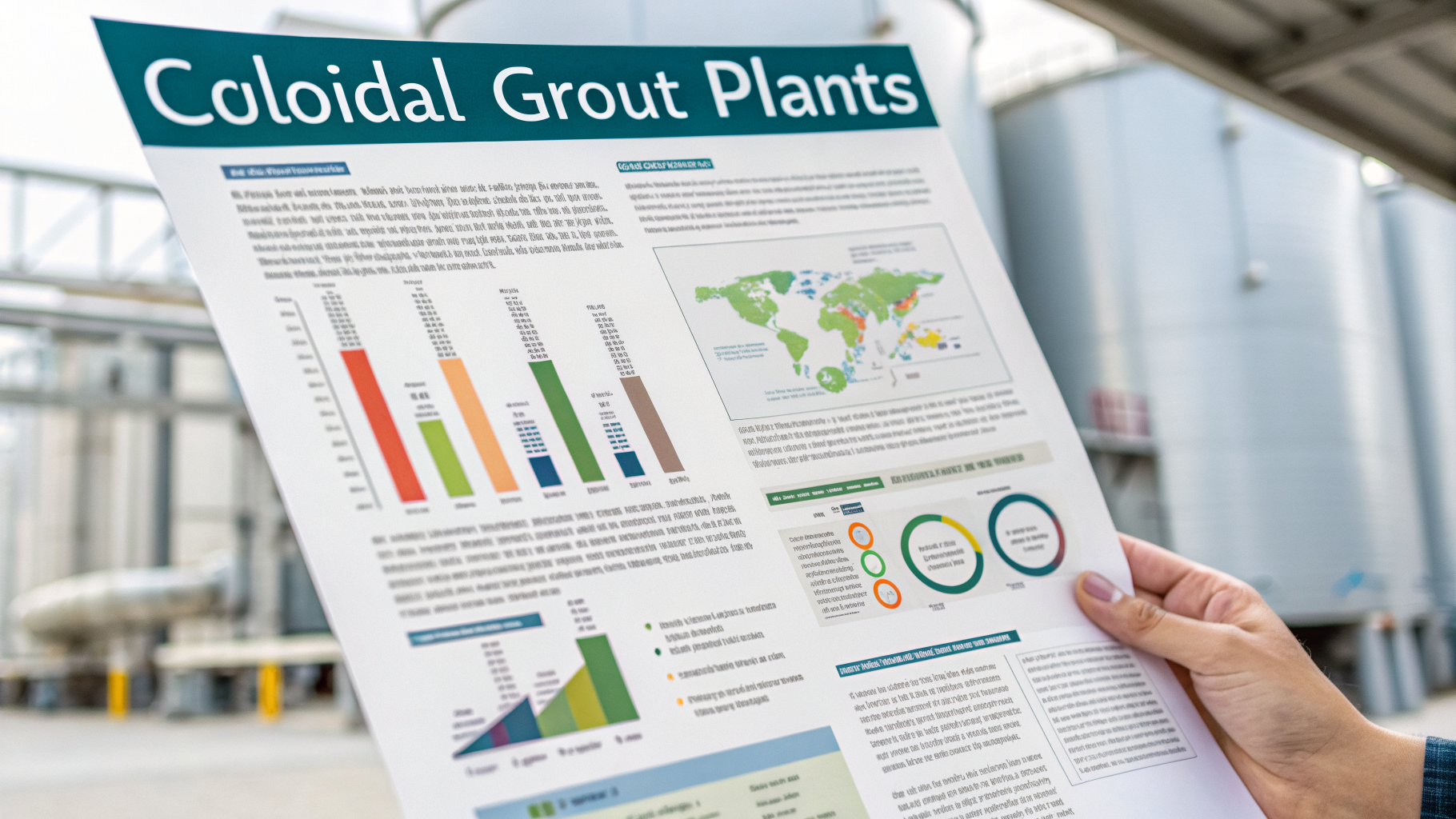
The colloidalgroutplants guide is a comprehensive framework detailing the operation, maintenance, and optimization of high-shear mixing facilities used in civil engineering. It outlines the critical parameters for producing stable cementitious slurry, ensuring optimal particle dispersion and rheological properties for complex underground construction and ground stabilization projects.
The colloidalgroutplants guide provides essential insights into the specialized facilities that produce ultra-fine, highly stable grouts for modern civil engineering. When dealing with complex underground construction, the quality of the cementitious slurry directly impacts the structural integrity of the final project. Unlike standard batching setups, these specialized facilities utilize high-shear mixing to achieve superior particle dispersion. This ensures that microfine cement and bentonite suspensions remain stable without segregating during the grout injection process. Understanding the fluid dynamics and rheological properties of these mixtures is crucial for effective tunneling support and dam seepage control. In this article, we will explore the core components of these facilities, operational best practices, and how to maintain pumpable consistency. Whether you are involved in foundation underpinning or large-scale ground stabilization, mastering these systems will significantly enhance your project outcomes.
Core Components of Colloidal Mixing Facilities
A highly efficient mixing facility relies on specialized equipment designed to generate extreme shear rates for optimal particle breakdown. The heart of any such facility is the colloidal mixer, which operates at significantly higher speeds than traditional paddle mixers. This equipment forces the cementitious slurry through a narrow gap between a high-speed rotor and a stationary stator, creating intense fluid dynamics that completely deagglomerate the particles.
To achieve the necessary pumpable consistency, operators must carefully manage the hydration process. The intense mechanical action accelerates the wetting of microfine cement, ensuring that every particle is fully encapsulated in water. This prevents the formation of dry clumps that could otherwise block injection lines deep underground. For a broader look at equipment setups, review our comprehensive grout mixing equipment examples to see how different models perform under continuous load.
Proper facility design also includes dedicated storage silos, precise volumetric water meters, and automated weighing systems. These components work together to maintain strict viscosity control throughout the grout batching cycle. Professionals often consult resources like those found on colloidalgroutplants.com to understand the specific mechanical configurations required for different soil types and project scales.
Using a colloidalgroutplants guide for Batching Optimization
Achieving a consistent, pumpable consistency requires strict adherence to precise batching sequences and material ratios. The order in which materials are introduced to the colloidal mixer drastically affects the final rheological properties of the mixture. Water must always be added first, followed by a bentonite suspension, and finally the cementitious materials. This sequence prevents the cement from coating dry clay particles, which would severely hinder the hydration process.
When following a detailed colloidalgroutplants guide, operators learn that mixing time is just as critical as the shear rate. Under-mixing leaves unhydrated pockets, while over-mixing can introduce excess air and degrade the bentonite structure. Temperature control also plays a vital role; excessively hot water can cause flash setting, while cold water delays strength gain. Maintaining the fluid temperature within a specific range ensures predictable gel times during grout injection.
For foundational standards on grouting in civil works, refer to the geotechnical engineering technical resources provided by professional institutions. These documents outline the standardized testing methods required to verify that the batched slurry meets the strict specifications for foundation underpinning and tunneling support before it leaves the plant.
Applications in Ground Stabilization and Tunneling
The primary advantage of colloidal grouts lies in their ability to penetrate fine soil fissures for superior ground stabilization and tunneling support. Because the high-shear mixing process reduces particle sizes to the submicron level, the resulting cementitious slurry behaves almost like a true solution. This allows the grout to flow through microscopic voids in dense soils and fractured rock formations that would completely reject standard particulate grouts.
In dam seepage control, this deep penetration is critical for creating continuous, impermeable cutoff walls beneath the foundation. The microfine cement particles lock into the rock matrix, dramatically reducing water migration and protecting the structural integrity of the dam. Similarly, in urban underground construction, these grouts are used to stabilize loose soils ahead of tunnel boring machines, preventing surface subsidence and protecting adjacent buildings.
A well-structured colloidalgroutplants guide will always emphasize the importance of penetration depth and refusal pressures. By monitoring the injection pressures and flow rates in real-time, engineers can adjust the viscosity control parameters on the fly. This dynamic approach ensures that the grout fills the target zone completely without fracturing the surrounding geological formations or causing unwanted surface heave.
Maintenance and Quality Control Protocols
Rigorous maintenance schedules and continuous quality control testing are mandatory to prevent equipment failure and ensure structural integrity. The extreme friction generated inside the colloidal mixer causes gradual wear on the rotor and stator components. If the gap between these parts widens beyond the manufacturer’s tolerances, the shear rate drops significantly, resulting in poorly dispersed grout that fails to meet project specifications.
Operators must flush the entire grout batching system with clean water immediately after every shift to prevent the cementitious slurry from hardening inside the pipes and pumps. Following a detailed colloidalgroutplants guide helps operators identify wear patterns early and schedule preventative replacements before a catastrophic breakdown occurs on the job site.
Quality control relies on frequent field testing to verify the rheological properties of the produced grout. Technicians routinely use Marsh cones to measure flow viscosity and mud balances to check the specific gravity of the mixture. Stay informed about the latest updates on colloidal mixing technology to keep your maintenance protocols and testing methodologies current with industry advancements.
What People Are Asking
What is the main difference between a standard mixer and a colloidal mixer?
A standard paddle mixer relies on simple turbulence to blend materials, which often leaves microfine cement particles agglomerated. In contrast, a colloidal mixer utilizes a high-speed rotor and stator to generate extreme shear rates. This intense mechanical action forces the cementitious slurry through microscopic gaps, completely deagglomerating the particles and ensuring superior particle dispersion. The result is a highly stable, pumpable consistency that will not separate or bleed during the grout injection process, making it essential for critical ground stabilization projects.
How does a colloidalgroutplants guide help with viscosity control?
A comprehensive colloidalgroutplants guide provides exact batching sequences, mixing times, and water-to-cement ratios required to achieve specific rheological properties. By following these protocols, operators can precisely manage viscosity control, ensuring the slurry remains fluid enough to penetrate fine soil fissures while maintaining enough body to prevent excessive migration. The guide also details how environmental factors, such as ambient temperature and water quality, impact the hydration process, allowing teams to make real-time adjustments to maintain the desired fluid dynamics.
Can these plants be used for dam seepage control?
Yes, these specialized facilities are highly effective for dam seepage control. The high-shear mixing process produces a cementitious slurry with submicron particle sizes, allowing the microfine cement to penetrate extremely fine rock fractures and soil voids beneath the dam foundation. This deep penetration creates a continuous, impermeable cutoff wall that drastically reduces water migration. By utilizing the precise grout batching techniques outlined in industry manuals, engineers can ensure the injected material cures properly, permanently restoring the structural integrity of the dam foundation.
What routine maintenance is required for high-shear mixing equipment?
Routine maintenance for high-shear mixing equipment centers on preventing material buildup and monitoring component wear. Operators must thoroughly flush the colloidal mixer, pumps, and hoses with clean water immediately after every use to prevent the cementitious slurry from hardening. Additionally, the gap between the rotor and stator must be measured regularly; excessive wear reduces the shear rate and compromises particle dispersion. Checking seals, inspecting drive belts, and lubricating bearings according to the manufacturer’s schedule are also critical to maintaining reliable operation during demanding tunneling support applications.
Comparing Mixing Technologies
When reviewing a colloidalgroutplants guide, comparing these technologies clarifies which system fits your specific ground stabilization needs. Different projects require varying levels of particle dispersion and shear intensity.
| Mixer Type | Shear Rate | Best Application |
|---|---|---|
| Standard Paddle | Low | Basic backfilling |
| High-Shear Colloidal | Very High | Dam seepage and tunneling |
| Ultrasonic | Extreme | Laboratory nano-materials |
High-shear colloidal systems offer the best balance of production capacity and fluid dynamics for large-scale civil engineering, ensuring optimal structural integrity.
Practical Tips for Plant Operators
Operating a grout facility efficiently requires attention to detail and adherence to proven methodologies. Implementing the following practices will improve your overall output quality and equipment lifespan.
- Monitor Water Quality: Impurities in the mixing water can severely disrupt the hydration process and alter the final rheological properties of the cementitious slurry.
- Sequence Materials Correctly: Always add water first, followed by a bentonite suspension, and finally the microfine cement to prevent dry clumping and ensure uniform particle dispersion.
- Track Ambient Temperatures: Extreme heat or cold affects viscosity control; use chilled or heated water to maintain the slurry within the optimal temperature range for grout injection.
- Calibrate Scales Regularly: Accurate grout batching depends on precise weight measurements; schedule monthly calibrations for all volumetric meters and digital scales.
By integrating these habits, operators can consistently produce high-quality grout that meets the rigorous demands of modern underground construction and foundation underpinning projects.
Key Takeaways
Mastering the principles outlined in a colloidalgroutplants guide is essential for delivering successful civil engineering projects. From achieving the correct pumpable consistency to executing deep ground stabilization, the right equipment and protocols make all the difference. Proper maintenance of your colloidal mixer and strict adherence to grout batching sequences will ensure long-term structural integrity. To continue expanding your knowledge of high-shear mixing and fluid dynamics, explore more detailed resources and equipment insights available on colloidalgroutmixer.com.
Learn More
- Geotechnical Engineering Technical Resources. Geo-Institute.
https://www.geoinstitute.org/technical-resources
For more about Colloidalgroutplants guide, see Colloidalgroutplants Guide.