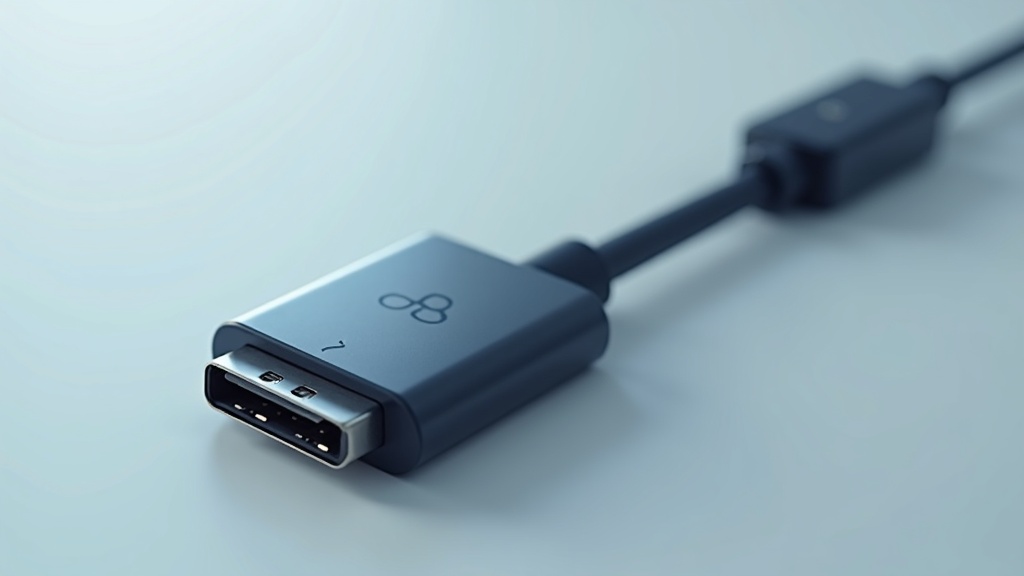
USB OTG Adapter Android: Expand Your Phone’s Capabilities
Learn how a usb otg adapter android can transform your smartphone into a versatile hub for connecting flash drives, keyboards, and other peripherals, expanding your device’s functionality beyond its native ports.
Table of Contents
- What Is USB OTG and How Does It Work?
- How to Check Your Android Device for OTG Support
- Practical Uses for a USB OTG Adapter on Android
- Choosing the Right USB OTG Adapter for Your Needs
- Frequently Asked Questions
Key Takeaway: A usb otg adapter android is a small accessory that lets your phone act as a USB host, enabling connections to devices like flash drives, keyboards, and game controllers. This guide explains compatibility, practical uses, and how to select the right adapter for your needs.
Quick Stats: USB OTG Adapter Android
- USB OTG support was formally added to Android starting with version 3.1, enabling compatible Android devices to operate as USB hosts via OTG adapters. (CNET, 2024)[1]
- USB OTG adapters allow Android devices that only have micro‑USB or USB‑C ports to connect standard USB 2.0 and USB 3.0 peripherals. (CNET, 2024)[1]
- Common Android OTG usage scenarios include connecting external storage, keyboards, game controllers, cameras, and reverse‑charging other phones. (MakeUseOf, 2025)[2]
What Is USB OTG and How Does It Work?
USB OTG, or USB On-The-Go, is a specification that allows mobile devices like Android smartphones to act as a USB host. Simon Hill, Senior Mobile Writer at Digital Trends, explains that “USB OTG, or USB on-the-go, is a feature that allows your device to read data from USB devices, essentially becoming a USB host” (Digital Trends, 2024)[3]. This means your phone can power and communicate with peripherals that traditionally only connect to computers.
The usb otg adapter android is the physical bridge that makes this possible. It is a small dongle or cable with a male micro-USB or USB-C connector on one end and a female standard USB-A port on the other. When you plug the adapter into your phone, the device detects the change in pin configuration and switches into host mode. Jason Cipriani, Contributing Editor at CNET Mobile, describes it as “essentially a female USB port that plugs into the Micro-USB port of a phone or tablet, allowing you to connect devices that use a standard USB 2.0 or 3.0 connection” (CNET, 2024)[1].
Once in host mode, the Android device supplies power to the connected accessory and manages data transfer. The USB OTG specification defines how the device dynamically switches between host and peripheral roles over a single USB connection (Wikipedia, 2024)[4]. This capability effectively turns your smartphone into a mini-computer, capable of interacting with a wide range of USB devices.
How to Check Your Android Device for OTG Support
Before purchasing a usb otg adapter android, you need to confirm that your phone supports OTG. Most modern Android devices do, but it is not universal. Mihir Patkar, technology writer at MakeUseOf, suggests that “the easiest way to see if your phone or tablet supports USB OTG is to look at the box it came in or the manufacturer’s website, or use a free USB OTG Checker app which quickly tells you whether the device has USB OTG functionality” (MakeUseOf, 2025)[2].
There are three reliable methods to check compatibility. First, review your device’s official specifications on the manufacturer’s website; look for terms like “USB OTG support” or “USB host mode.” Second, download a dedicated app like USB OTG Checker from the Google Play Store. These apps scan your device’s hardware and firmware to determine if OTG is supported. Third, you can simply try connecting an OTG adapter with a USB flash drive. If the phone recognizes the drive, OTG is active. Simon Hill notes that “most phones these days, especially Android devices, come with the option to serve as a host, and it’s likely most of your devices support USB OTG” (Digital Trends, 2024)[3].
It is also important to understand that USB OTG support was formally added to Android starting with version 3.1 (Honeycomb), but widespread adoption came with later versions (CNET, 2024)[1]. Most modern Android smartphones support USB OTG over USB-C, with OTG also available on older micro-USB-based devices (Digital Trends, 2024)[3].
Practical Uses for a USB OTG Adapter on Android
A usb otg adapter android opens up a wide range of practical applications that go far beyond simple file transfer. The most common use is connecting external storage devices like USB flash drives and external hard drives. This allows you to quickly transfer photos, videos, documents, and other files between your phone and a USB drive without needing a computer. You can also use it to back up important data directly to a portable drive.
Beyond storage, an OTG adapter lets you connect input peripherals. Pairing a full-sized keyboard can dramatically speed up typing for emails, documents, or notes. A mouse can provide more precise control for editing photos or navigating complex apps. Game controllers, such as those from Xbox or PlayStation, can be connected for a more authentic gaming experience on your Android device. MakeUseOf lists five example device categories frequently used with USB OTG on Android: external storage, keyboards, game controllers, cameras, and reverse-charging other phones (MakeUseOf, 2025)[2].
Another valuable use is connecting a camera directly to your phone. You can plug in a digital camera via USB to transfer photos for immediate editing and sharing on social media. For content creators, this workflow eliminates the need for a laptop in the field. Additionally, an OTG adapter can enable reverse charging, allowing your Android phone to charge another device like a friend’s phone or a pair of wireless earbuds. This feature is especially useful when you have a high-capacity phone battery. For many mid-range Android phones, high-power peripherals like external hard drives or condenser microphones require an OTG dongle that also supports simultaneous charging input to ensure adequate power delivery (Digital Trends, 2024)[3].
However, there are a few limitations. On many Android phones, USB OTG must be manually enabled via the OTG settings menu, where connections are often automatically disabled after about 10 minutes of inactivity (Digital Trends, 2024)[3]. This is a power-saving feature, but it can be inconvenient during long transfers. Also, remember that the Android device operating in USB OTG host mode is responsible for powering and communicating with the connected USB accessory through the OTG adapter (CNET, 2024)[1], which can drain the battery faster.
Choosing the Right USB OTG Adapter for Your Needs
Selecting the best usb otg adapter android depends on your device’s port type and your intended use. The first decision is the connector. If your phone uses a micro-USB port, you need an adapter with a male micro-USB connector. For newer phones with USB-C, you need a USB-C to USB-A adapter. Some adapters are simple cables, while others are compact dongles. A cable style offers more flexibility in positioning the connected device, while a dongle is more portable and less likely to get tangled.
Consider the build quality and data transfer speed. Look for adapters that support USB 3.0 speeds if you frequently transfer large files like 4K videos. USB OTG adapters allow Android devices that only have micro-USB or USB-C ports to connect standard USB 2.0 and USB 3.0 peripherals (CNET, 2024)[1], so a high-quality adapter will support both. A well-shielded cable with sturdy connectors will last longer and provide a more reliable connection.
For users who need to connect multiple devices or high-power peripherals, a powered OTG hub is a better choice. These hubs have multiple USB ports and an external power input, allowing you to connect a keyboard, mouse, and a flash drive simultaneously while keeping your phone charged. This setup is ideal for turning your Android device into a desktop workstation. If you only need to connect a single flash drive occasionally, a simple, inexpensive cable adapter is sufficient. For those who want to ensure they are getting a reliable product, consider checking out the comprehensive USB OTG adapter options available from specialized manufacturers.
Finally, consider your daily workflow. If you are a photographer who needs to transfer images from a camera in the field, a short, rugged OTG cable is best. If you are a gamer who wants to use a controller, a flexible cable that doesn’t put strain on the phone’s port is preferable. If you use your phone for presentations, a small dongle that can stay plugged in is convenient.
Important Questions About USB OTG Adapter Android
What is a USB OTG adapter for Android?
A USB OTG (On-The-Go) adapter for Android is a small cable or dongle that allows your Android smartphone or tablet to act as a USB host. It typically has a male micro-USB or USB-C connector on one end and a female standard USB-A port on the other. This enables you to connect devices like flash drives, keyboards, mice, and game controllers directly to your phone. As Simon Hill explains, it allows your device to “read data from USB devices, essentially becoming a USB host” (Digital Trends, 2024)[3].
How do I know if my Android phone supports USB OTG?
You can check USB OTG support in a few ways. First, look at the official specifications on the manufacturer’s website for “USB OTG” or “USB host mode.” Second, download a free app like “USB OTG Checker” from the Google Play Store, which will scan your device’s hardware. Third, you can physically test it by connecting an OTG adapter with a USB flash drive. If the phone detects the drive, it supports OTG. Most modern Android phones do, but it is always best to verify before purchasing an adapter.
What can I connect to my Android phone with a USB OTG adapter?
You can connect a wide variety of USB peripherals. The most common are USB flash drives and external hard drives for file transfer. You can also connect a keyboard for faster typing, a mouse for precise navigation, and game controllers for a better gaming experience. Other uses include connecting a digital camera to transfer photos, a USB microphone for recording, and even reverse-charging other devices like a friend’s phone or wireless earbuds. MakeUseOf lists five common categories: external storage, keyboards, game controllers, cameras, and reverse-charging (MakeUseOf, 2025)[2].
Does a USB OTG adapter work with all Android apps?
No, not all Android apps are designed to work with external USB devices. While the Android operating system itself supports USB OTG at a system level, individual apps must have the necessary code to recognize and interact with the connected peripheral. For example, a file manager app will detect a USB drive, and a text editor will accept input from a keyboard. However, a game might not recognize a controller unless it explicitly supports gamepad input. It is always best to check the app’s documentation or reviews to confirm OTG compatibility.
Comparison of USB OTG Adapter Types
When choosing a usb otg adapter android, the primary distinction lies between simple passive cables and powered hubs. The right choice depends on the power requirements of your peripherals and how many devices you need to connect simultaneously. Below is a comparison of the two main types.
| Feature | Simple OTG Cable/Dongle | Powered OTG Hub |
|---|---|---|
| Power Source | Powered by the Android device’s battery | Has its own external power supply |
| Number of Ports | Single USB-A port | Multiple USB ports (e.g., 3-7) |
| Best For | Flash drives, mice, keyboards, low-power controllers | External hard drives, condenser microphones, multiple peripherals |
| Portability | Very high (small and light) | Low (bulky, requires wall outlet) |
| Phone Battery Impact | Moderate drain | Minimal drain (peripherals use hub power) |
Practical Tips for Using a USB OTG Adapter on Android
To get the most out of your usb otg adapter android, follow these actionable tips. First, always check your phone’s settings. On many devices, you must manually enable OTG in the system settings menu. Look for a toggle labeled “USB OTG” or “OTG Storage.” Remember that some phones automatically disable the OTG connection after about 10 minutes of inactivity to save battery (Digital Trends, 2024)[3]. If your transfer is interrupted, simply reconnect the device.
Second, format your external storage correctly. For best compatibility with Android, format your USB flash drive or SD card using the exFAT or FAT32 file system. NTFS drives may not be recognized without a third-party app. Third, use a quality file manager app. The default file manager on many phones is basic. Apps like Solid Explorer or FX File Explorer have better support for USB OTG and allow you to browse, copy, and manage files on your connected drive with ease.
Fourth, be mindful of power consumption. Connecting a power-hungry device like an external hard drive can drain your phone’s battery quickly. If you need to use such peripherals, invest in a powered OTG hub. Finally, always eject the USB device safely before disconnecting it. Use the “Eject” or “Unmount” option in your file manager or the system notification. This prevents data corruption and ensures your files are saved correctly. For a reliable and high-quality adapter, consider exploring the selection from specialized USB connectivity providers.
Final Thoughts on USB OTG Adapter Android
A usb otg adapter android is a small but powerful accessory that significantly expands what your smartphone can do. From transferring files without a computer to connecting professional peripherals for work and play, it unlocks a level of versatility that many users overlook. By understanding compatibility, choosing the right adapter for your needs, and following best practices, you can turn your Android device into a true productivity and entertainment hub. To learn more about the latest options and best practices for USB connectivity, explore the resources available on best ai training and microsoft ai training.
Sources & Citations
- Clever adapter connects USB accessories to your Android device. CNET.
https://www.cnet.com/tech/mobile/clever-adapter-connects-usb-accessories-to-your-android-device/ - 10 Cool Ways to Use USB OTG on Android. MakeUseOf.
https://www.makeuseof.com/tag/what-is-usb-otg-5-cool-ways-use-android/ - What is USB OTG? Here’s how to use USB drives and more on Android. Digital Trends.
https://www.digitaltrends.com/phones/what-is-usb-otg/ - USB On-The-Go. Wikipedia.
https://en.wikipedia.org/wiki/USB_On-The-Go